Anointing Oils in Biblical Tradition

The sacred use of natural healing oils is woven deeply into the fabric of biblical tradition. From the earliest books of scripture, anointing oils have been set apart for consecration, healing, and divine service. Exodus 30:22-25 provides a detailed account of the holy anointing oil, a blend of precious botanicals, signifying the Lord’s presence and blessing. These sacred oils were not merely aromatic; they served as tangible manifestations of God’s covenant, marking kings, priests, and prophets for their holy offices. The enduring relevance of anointing oils in religious life is a testament to their scriptural foundations and the reverence with which they are upheld by believers today.
Scriptural Foundations of Anointing Oils
Scripture is replete with references to the use of oil for anointing. In the Old Testament, oil was poured upon the heads of priests (Leviticus 8:12), kings (1 Samuel 16:13), and even sacred objects within the Tabernacle. This act symbolized sanctification, healing, and the impartation of the Holy Spirit. Such traditions inform the modern practice of using natural healing oils for spiritual restoration and blessing.
Sacred Rituals and the Role of Oil
In sacred rituals, oil functions as both a symbol and a conduit of divine grace. Whether in the anointing of the sick (James 5:14) or in personal devotion, the application of biblically inspired oils remains a practice of faith, trust, and obedience to scriptural commands.
The Continued Relevance for Modern Believers
For the contemporary faithful, anointing oils offer a tangible means to connect with ancient traditions, reinforcing the spiritual bond between believer and Creator. Their continued use affirms the timelessness of sacred practices and the enduring promise of spiritual healing.
Cinnamon Oil: Historical and Sacred Uses

Cinnamon, a treasured botanical, has held a place of honor in both ancient civilizations and the biblical narrative. Esteemed for its aromatic and healing qualities, cinnamon oil was regarded as a sacred substance, reserved for holy purposes. In Exodus 30:23, cinnamon is named among the ingredients of the holy anointing oil, signifying its spiritual importance. Ancient cultures valued cinnamon not only for its fragrance but also for its role in rituals of purification and consecration, underscoring its enduring sacredness.
Ancient Civilizations and the Biblical Significance of Cinnamon
Historical records reveal that cinnamon was highly prized in Egypt, Israel, and throughout the ancient Near East. Its inclusion in biblical anointing oil highlights both its rarity and its esteemed spiritual status. The use of cinnamon in sacred rites is a testament to its revered place among natural healing oils.
The Sacred Uses of Cinnamon Oil in Anointing Practices
Cinnamon oil, with its warm and comforting aroma, was used to anoint priests and kings, symbolizing purity, wisdom, and the fire of the Holy Spirit. Its sacred uses extended to the sanctification of spaces and the preparation of the faithful for divine encounters.
References to Cinnamon in Scripture and Spiritual Symbolism
Cinnamon is mentioned in Song of Solomon 4:14 as a symbol of love and devotion, and in Proverbs 7:17, it is associated with preparation and readiness. These scriptural references reinforce the spiritual benefits of cinnamon, elevating it as a symbol of sanctity and divine favor.
Healing Properties of Anointing Oils: The Power of Cinnamon

Natural healing oils, particularly those containing cinnamon, are renowned for their restorative botanicals and healing properties. Cinnamon oil is recognized for its antimicrobial, anti-inflammatory, and soothing effects, making it a vital component in the tradition of sacred anointing. The healing properties of anointing oils are not solely physical; they extend to emotional and spiritual restoration, aligning with the biblical promise of wholeness.
Natural Healing Oils and Their Restorative Botanicals
The blend of botanicals in natural healing oils—such as cinnamon, myrrh, and frankincense—creates a harmonious synergy that supports holistic wellness. These oils, when used in faith, become instruments of healing, comfort, and renewal.
Scientific Insights Into Cinnamon Oil’s Wellness Benefits
Modern research affirms what scripture and tradition have long upheld: cinnamon oil possesses significant health benefits. Studies indicate its capacity to support immune function, reduce inflammation, and promote overall wellness. These findings validate the sacred uses of cinnamon oil, bridging ancient wisdom with contemporary understanding.
Faith and Testimony: Transformative Effects in Spiritual Healing
Many believers testify to the transformative effects of anointing oils in their spiritual journey. The application of cinnamon oil, accompanied by prayer and faith, has been experienced as a source of comfort, breakthrough, and divine healing, bearing witness to the living power of sacred tradition.
Spiritual Benefits of Cinnamon: Deepening the Sacred Connection

The spiritual benefits of cinnamon are profound, offering believers a means to deepen their sacred connection with God. Used in prayer and meditation, cinnamon oil acts as a catalyst for spiritual discernment, purification, and renewal. Its aroma uplifts the spirit, fosters clarity, and invites the presence of the Holy Spirit into every moment of devotion.
Cinnamon Oil in Prayer and Meditation
Incorporating cinnamon oil into prayer and meditation enhances the atmosphere of reverence and focus. The sacred aroma serves as a reminder of God’s nearness and the believer’s consecration, facilitating a deeper communion with the Divine.
Enhancing Spiritual Discernment and Purification
Cinnamon oil is traditionally associated with spiritual discernment and purification. Its use in anointing rituals is believed to clear spiritual obstacles, promote wisdom, and prepare the heart for divine guidance.
Encouragement for Incorporating Sacred Oils in Daily Devotion
Believers are encouraged to incorporate sacred oils, such as cinnamon, into their daily practices. Whether through personal anointing, prayer, or meditation, these natural healing oils serve as instruments of spiritual fortification and grace.
Rainbow Health Company: Commitment to Authentic, Biblically Inspired Anointing Oils

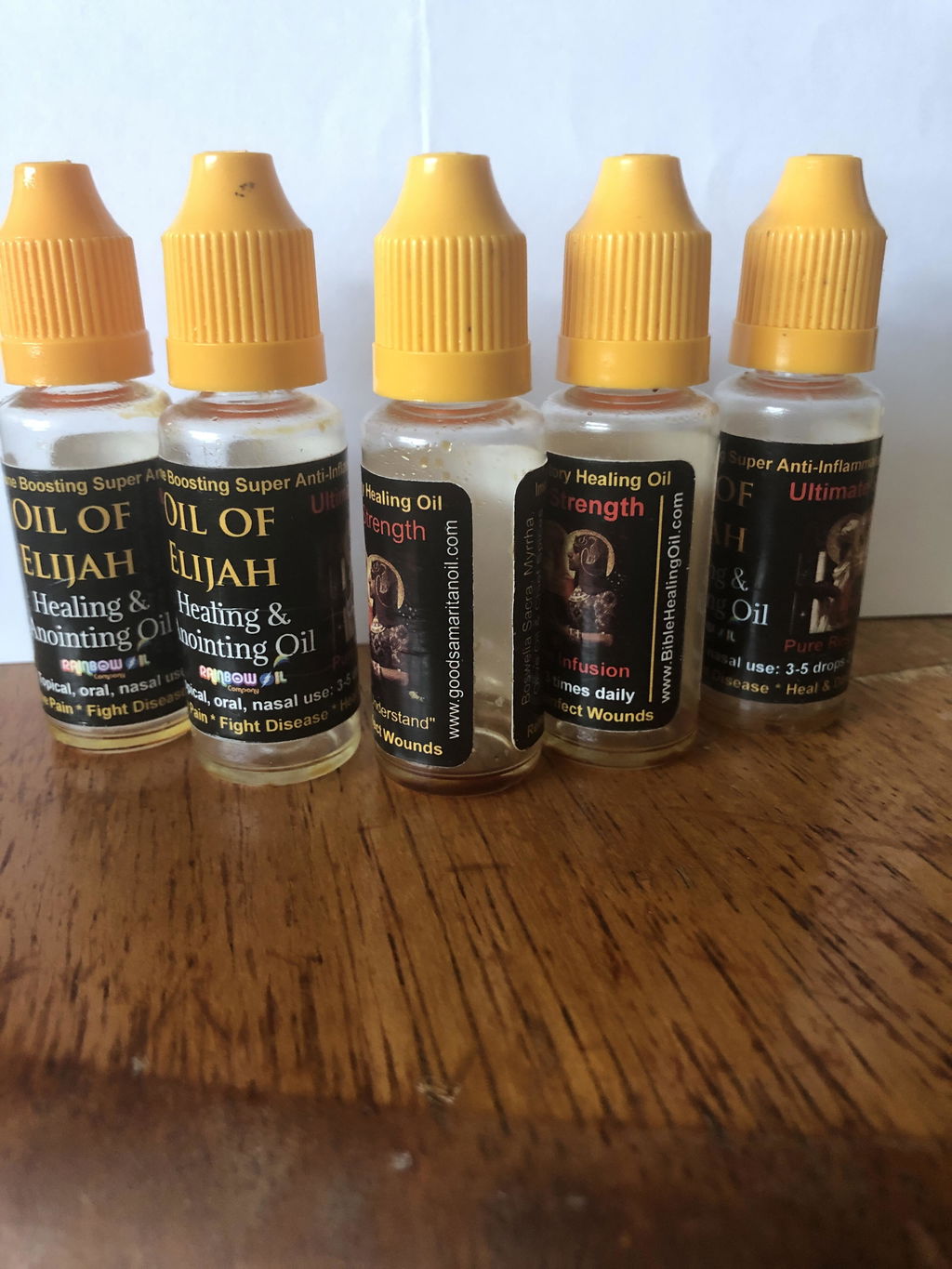
Rainbow Health Company stands as a steward of sacred tradition, offering anointing oils that are both biblically inspired and crafted for spiritual healing. The Kure-It Anointing Oils collection embodies a reverence for scriptural integrity, employing time-honored formulations that honor the original intent of sacred anointing. Each oil is created with the utmost care, ensuring authenticity and alignment with the healing properties of anointing oils as described in scripture.
Kure-It Anointing Oils: Crafted for Spiritual Healing
The Kure-It line, including offerings like Oil of Elijah and Good Samaritan Oil, reflects a commitment to quality, purity, and spiritual efficacy. These blends draw from biblical ingredients, including cinnamon, to promote holistic healing and spiritual restoration.
Upholding Scriptural Integrity and Sacred Tradition
Rainbow Health Company’s mission is rooted in the conviction that “the secret things belong to the Lord our God...” By upholding scriptural integrity, the company ensures that every product serves as a genuine extension of sacred tradition, inviting believers into a deeper experience of faith.
Invitation to Experience the Blessings of True Anointing
Believers are invited to explore the blessings of authentic anointing oils, crafted to facilitate spiritual healing and connection. Through these sacred offerings, the promise of biblical anointing is made accessible to all who seek restoration and divine encounter.
Guidance for Integrating Natural Healing Oils Into Faith Practices
Selecting and using natural healing oils in faith practices is both a privilege and a responsibility. For personal devotion or congregational worship, it is essential to choose oils that are biblically inspired, pure, and crafted with reverence. The sacred application of these oils, whether through anointing the forehead, hands, or sacred spaces, should be accompanied by prayer, scriptural reflection, and a heart open to God’s leading.
Selecting Oils for Personal and Congregational Use
When selecting oils, consider the spiritual purpose and scriptural precedent. Cinnamon oil, for example, is ideal for prayers of purification, discernment, and consecration, while other blends may suit different aspects of spiritual life.
Best Practices for Anointing and Sacred Application
Best practices include using a small amount of oil, speaking blessings or scripture aloud, and maintaining a posture of reverence. Anointing may be performed individually or as part of a communal act of faith, always with the intention of honoring God’s presence.
Spiritual Reflections: “The secret things belong to the Lord our God...”
As believers engage with natural healing oils, let them remember the words of Deuteronomy 29:29: “The secret things belong to the Lord our God...” In every act of anointing, there is an invitation to trust in God’s mystery and to receive His revealed blessings through sacred tradition.
Conclusion: Embracing Natural Healing Oils for Spiritual Restoration
Natural healing oils, rooted in biblical tradition and sacred practice, offer a pathway to spiritual restoration and deeper faith. Through the healing properties of anointing oils—especially those containing cinnamon—believers are invited to renew their commitment to authentic spiritual practice, drawing near to God through the wisdom of scripture and the blessings of sacred tradition.
Renewing Faith Through Sacred Anointing Oils
The regular use of biblically inspired oils renews faith, fosters spiritual healing, and sustains the believer on the journey of devotion. In every drop, there is a testimony of God’s enduring promise.
A Call to Authentic Spiritual Practice and Healing
Let all who seek healing and restoration embrace the sacred tradition of natural healing oils. Through reverent practice and faith, may each believer experience the fullness of spiritual blessing and the abiding presence of the Lord.