The Scriptural Foundations of Anointing Oils

The sacred tradition of anointing with oil is deeply rooted in biblical scripture, forming a cornerstone of spiritual practice among the faithful. From the earliest passages of the Old Testament, oils were employed not merely for ceremonial purposes but as vessels for divine blessing, healing, and consecration. The act of anointing, as recorded in Exodus 30:22–33, is established as a holy ordinance, designating individuals and objects for sacred service. This scriptural precedent continues to inspire believers, inviting them to participate in the same acts of faith that shaped the spiritual life of ancient Israel.
Biblical Tradition and the Use of Sacred Oils
Throughout biblical history, the use of sacred oils is portrayed as an act of obedience and reverence. Priests, prophets, and kings were anointed as a sign of God’s favor and authority. These oils, composed of carefully selected ingredients, served as tangible expressions of spiritual truths—purity, healing, and sanctification. The tradition underscores the importance of using authentic Old Testament anointing oils, crafted in accordance with scriptural guidelines, to maintain the sanctity and efficacy of the practice.
The Old Testament’s Witness to Healing and Anointing
The Old Testament bears witness to the healing properties of biblical oils, as seen in the anointing of the sick (Isaiah 1:6) and the consecration of sacred spaces. These actions reflect a profound understanding of the relationship between physical elements and spiritual realities. Anointing oils were not merely medicinal but were imbued with symbolic meaning, representing the presence and power of the Holy Spirit among God’s people.
Scriptural Significance of Anointing Oils in Faith Practice
The scriptural significance of anointing oils extends beyond ritual. They serve as instruments of faith, connecting believers to the mysteries of divine healing and sanctification. In the Christian tradition, the use of biblically inspired anointing oils is an act of devotion, a means by which the faithful seek God’s blessing, protection, and restoration. The enduring legacy of these sacred oils calls believers to a deeper understanding of their spiritual heritage.
Rosemary in the History of Authentic Old Testament Anointing Oils

Rosemary, though often associated with culinary and medicinal uses today, holds a venerable place among the biblical anointing oil ingredients. Historical and scriptural scholarship suggests that rosemary, known for its aromatic and preservative qualities, was valued in the ancient Near East and may have been included among the herbs and plants referenced in sacred texts. Its presence among authentic Old Testament anointing oils reflects both its practical and symbolic importance in spiritual life.
The Origins of Rosemary in Biblical Context
While rosemary is not mentioned by name in most English translations of the Bible, its ancient use in the region and its alignment with scriptural descriptions of fragrant herbs lend credence to its inclusion. Early Christian and Jewish traditions often reference aromatic plants in the preparation of sacred oils, highlighting rosemary’s potential role as a biblically inspired ingredient.
Symbolic and Spiritual Uses of Rosemary Oil
The spiritual uses of rosemary oil are manifold. In biblical symbolism, rosemary represents remembrance, faithfulness, and purification. These attributes made it a fitting component in rituals of consecration and healing. Its uplifting fragrance was believed to invite clarity of mind and spirit, fostering an environment conducive to prayer and meditation.
Rosemary’s Presence Among Other Sacred Ingredients
Rosemary stands alongside other revered biblical anointing oil ingredients such as myrrh, frankincense, and cassia. Each element contributed unique qualities to the sacred blends, enhancing their efficacy and spiritual resonance. The careful selection and combination of these ingredients reflect a commitment to authenticity and reverence for scriptural tradition.
Healing Properties of Biblical Oils: Focusing on Rosemary

The healing properties of biblical oils are well attested in both scripture and tradition. Rosemary, in particular, has been esteemed for its restorative virtues, both physical and spiritual. Its essential oil contains compounds known for their soothing and purifying effects, aligning with the biblical emphasis on holistic healing.
Biblical Insights into Rosemary’s Healing Virtues
Though the Bible does not explicitly enumerate rosemary’s medicinal uses, its symbolic associations with healing and remembrance echo throughout scriptural narratives. The act of anointing with oil—especially oils infused with herbs like rosemary—was understood as an invocation of God’s healing presence. This perspective endures in contemporary Christian practice, where rosemary oil is used in prayer for restoration and renewal.
Physical and Spiritual Benefits Recognized Through History
Historically, rosemary oil has been applied to alleviate ailments, promote clarity, and fortify the spirit. Its invigorating aroma is said to dispel negativity and foster a sense of peace, making it a valuable ally in the pursuit of spiritual healing. The healing properties of biblical oils, especially when derived from authentic sources, continue to inspire confidence and faith among believers.
Modern Understanding of Rosemary in Sacred Anointing Practices
Contemporary studies affirm many of the traditional claims regarding rosemary’s benefits. When incorporated into biblically inspired anointing oils, rosemary serves as a bridge between ancient wisdom and modern faith. Its use in sacred rituals underscores the enduring relevance of scriptural ingredients in fostering spiritual and physical well-being.
Creating Biblically Inspired Anointing Oils: Authenticity and Integrity

The creation of biblically inspired anointing oils demands both reverence and diligence. At Rainbow Health Company, every step in the crafting process is guided by a commitment to scriptural integrity and faithful authenticity. The selection of ingredients, including rosemary, is undertaken with prayerful consideration, ensuring that each oil reflects the sacred traditions from which it descends.
Selecting Ingredients of Scriptural Integrity
The pursuit of authentic Old Testament anointing oils begins with the careful selection of ingredients. Only those herbs, spices, and oils with clear biblical or historical precedent are chosen. Rosemary, with its longstanding association with healing and remembrance, is honored as a vital component, contributing both fragrance and spiritual significance to the blend.
The Process of Crafting Kure-It Anointing Oils
Kure-It Anointing Oils exemplify the union of tradition and excellence. Each batch is prepared in accordance with scriptural principles, blending rosemary and other sacred oils to create a product that is both pure and potent. The process is marked by prayer, reflection, and a deep respect for the sacred mysteries entrusted to the faithful.
Rainbow Health Company’s Commitment to Faithful Authenticity
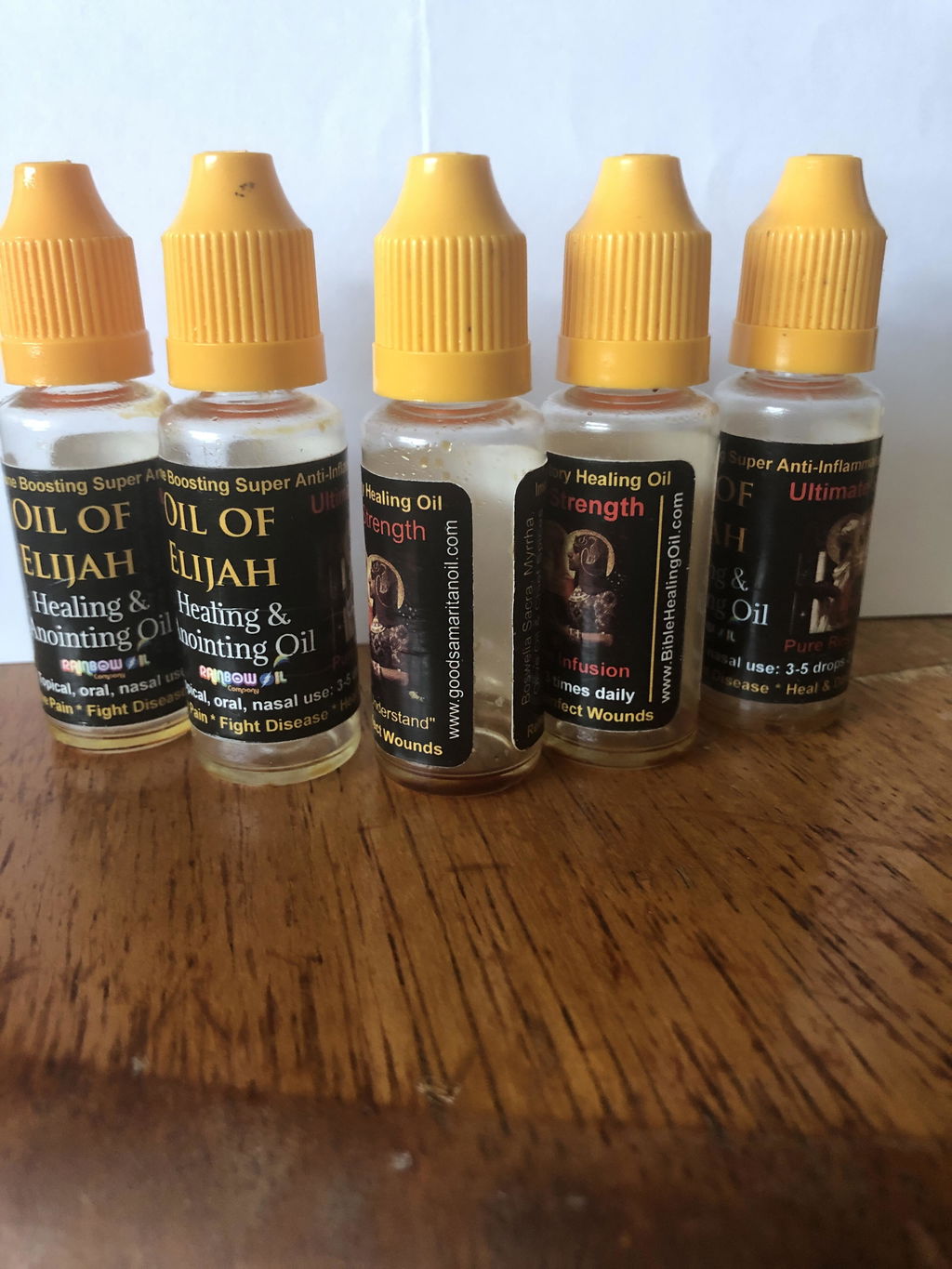
Rainbow Health Company stands as a steward of sacred tradition, dedicated to delivering healing through biblically inspired anointing oils. The brand’s unwavering commitment to authenticity ensures that every product, from Oil of Elijah to Kure it Rx9 Ultra, upholds the highest standards of scriptural fidelity and spiritual efficacy.
Spiritual Uses of Rosemary Oil in Christian Living

The spiritual uses of rosemary oil extend into every aspect of Christian living, offering believers a means to deepen their faith and experience God’s healing presence. Whether incorporated into personal prayer, communal worship, or acts of service, rosemary oil serves as a tangible reminder of the sacred promises of scripture.
Incorporating Anointing Oils into Prayer and Worship
Incorporating anointing oils into prayer and worship is a time-honored practice, inviting the Holy Spirit into moments of supplication, thanksgiving, and intercession. A few drops of rosemary-infused oil, applied with reverence, can sanctify the atmosphere and focus the heart on God’s presence. This practice, rooted in biblical tradition, continues to nurture faith and spiritual vitality.
Guidance for Faithful Spiritual Practice with Rosemary Oil
For those seeking to embrace the spiritual uses of rosemary oil, it is essential to approach the practice with humility and discernment. Begin with prayer, asking for God’s guidance and blessing. Use the oil as an outward sign of inward devotion, trusting in the healing properties of biblical oils to support spiritual growth and restoration.
Encouragement for Spiritual Healing through Sacred Oils
Rainbow Health Company encourages all believers to rediscover the sacred tradition of anointing, drawing upon the wisdom of scripture and the power of authentic ingredients. Through the faithful use of rosemary and other biblical anointing oil ingredients, the path to spiritual healing and renewal remains open to all who seek it.
Conclusion: Embracing the Sacred Mystery—“The Secret Things Belong to the Lord our God…”
The enduring legacy of biblical anointing oil ingredients is a testament to the unbroken chain of faith that connects believers across generations. As the scriptures declare, "The secret things belong to the Lord our God…" (Deuteronomy 29:29), reminding us that while the mysteries of healing are divine, the revealed practices—such as the use of sacred oils—are entrusted to us for our blessing and sanctification.
The Enduring Legacy of Biblical Anointing Oil Ingredients
From the ancient altars of Israel to the sanctuaries of today, the use of authentic Old Testament anointing oils continues to inspire reverence and hope. Each ingredient, especially rosemary, carries with it a heritage of healing, remembrance, and faithfulness, inviting all to partake in God’s provision for spiritual and physical well-being.
A Call to Rediscover Healing and Faith through Scriptural Oils
May all who seek spiritual healing be encouraged to embrace the scriptural significance of anointing oils. By returning to the biblical foundations and honoring the sacred role of ingredients like rosemary, believers can experience anew the transformative power of faith, healing, and divine mystery.