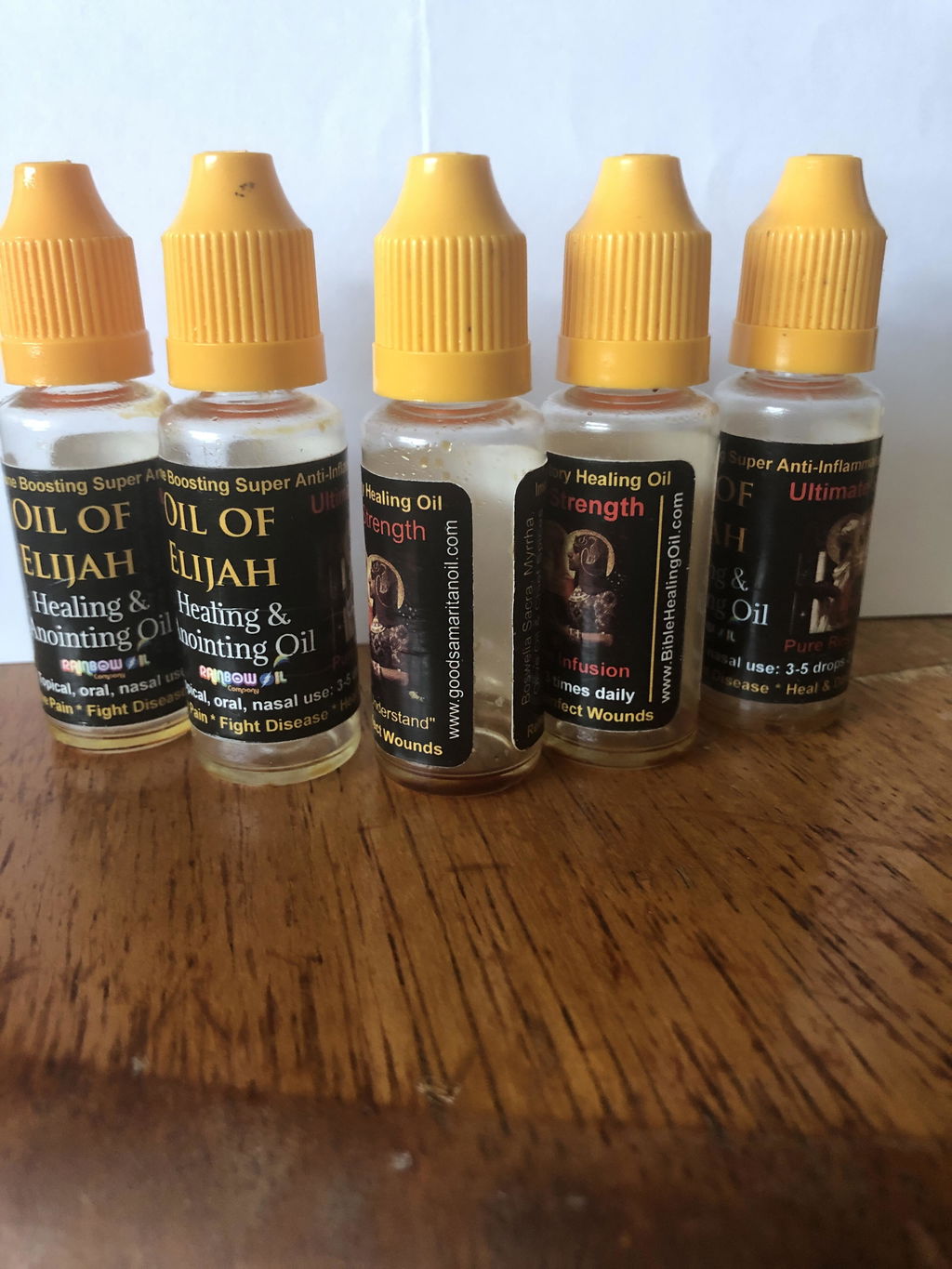
The use of anointing oil is one of the most enduring and spiritually significant traditions found within the pages of Scripture. From the high priests of the Old Testament to the healing ministries of the early Church, biblical anointing oil has served as a physical sign of a spiritual reality.
Understanding the depth of this practice allows believers to connect more deeply with the heritage of their faith and the ongoing work of the Holy Spirit.
Foundational Understanding
What Is Anointing Oil in the Bible?
Anointing oil in the Bible refers to a specially prepared mixture, often based on olive oil, that was poured or smeared over individuals or objects. The word "anoint" means to rub or smear. However, in a spiritual context, it signifies the act of setting someone or something apart for a divine purpose. It is a physical act that represents a spiritual empowerment.
The Origins of Anointing Oil in Scripture
The formal introduction of holy anointing oil occurs in the Book of Exodus. God provided Moses with a specific recipe, emphasizing that this oil was to be considered "most holy." This biblical anointing with oil was not a human invention but a divine instruction, intended to create a distinction between the secular and the sacred.
Anointing Oil in the Old and New Testaments
In the Old Testament, anointing with oil was primarily reserved for those entering the offices of prophet, priest, or king. In the New Testament, the practice expanded. While it maintained its roots in consecration, it became more closely associated with the ministry of healing and the indwelling of the Holy Spirit. The Greek word for "Anointed One" is Christos, which directly links the physical practice to the identity of Jesus.
Biblical Usage & Context
How was Anointing Oil Used in Biblical Times?

In the ancient Near East, oil was a staple of daily life. It was used for light, cooking, and skin care. However, biblical anointing oil was used differently. It was used to inaugurate leaders into their God-given roles and to dedicate the Tabernacle and its furnishings. The application was deliberate, often poured over the head, to symbolize the abundance of God’s grace flowing down.
Sacred vs. Common Oil: What Made It Holy?
The holy anointing oil ingredients listed in Exodus 30, including liquid myrrh, sweet cinnamon, fragrant cane, and cassia, were blended with a hin of olive oil. What made it "holy" was not just the quality of the ingredients, but the fact that it was sanctified by God’s command for His specific use. This Christian anointing oil tradition reminds us that when we dedicate something to God, He meets us in that space.
Experience the Biblical Tradition Today: If you are seeking to incorporate this practice into your personal devotional time, you can find authentic anointing oil for sale that honors these ancient traditions. Click Here to Explore our Selection of Bible Healing Oils
Symbolism & Spiritual Meaning
The Symbolism of Anointing Oil in the Bible
Oil represents many things in Scripture: joy, prosperity, and light. However, the primary purpose of anointing oil is to symbolize the transition from "common" to "consecrated." It acts as a shield and a mark of ownership, signaling that the person belongs to the Lord's service.
Anointing Oil as a Sign of God’s Presence and Power
When a person was anointed with oil, it was often accompanied by the immediate falling of the Spirit of God upon them. It served as a visible reminder that they were not working by their own strength. This is why anointing oil for prayer remains a powerful practice; it centers our hearts on the reality that God’s presence is with us.
Oil as a Symbol of the Holy Spirit
Just as oil provides fuel for a lamp to burn, the Holy Spirit provides the "fire" for the believer’s life. Throughout the New Testament, the "anointing" is often used as a metaphor for the Holy Spirit’s teaching and guidance. The physical anointing oil we use today serves as a tangible representation of this invisible, spiritual truth.
Purpose & Function
The Purpose of Anointing Oil in Worship and Healing
In the context of worship, oil signifies the "oil of gladness." In the context of healing, James 5:14 instructs the elders of the church to pray over the sick, anointing with oil in the name of the Lord. It is a beautiful synthesis of physical obedience and spiritual petition.
Anointing Oil and Consecration for God’s Service
Consecration is the act of "setting apart." When you use anointing oil for home or personal ministry, you are declaring that your space and your life are dedicated to the Kingdom of God. It is a boundary marker against the mundane, inviting the sacred into your daily environment.
Anointing Oil in Prayer, Healing, and Deliverance
The purpose of anointing oil in deliverance and healing is to act as a point of contact. While the oil itself has no magical properties, the faith expressed through the act of anointing is what God responds to. It is an outward sign of an inward faith that God is the Restorer and Healer.
Shop Now - Kure It Rx9 Ultra | Advanced Immune Support Oil – Bible Healing Oil
Application & Reflection
What Anointing Oil Means for Believers Today

For the modern believer, anointing oil is a reminder of our identity. We are called a "royal priesthood" (1 Peter 2:9). Using oil is a way to acknowledge our duty to serve God with our lives and to seek His blessing over our families.
Should We Use Anointing Oil Today?
While not a requirement for salvation, many find that using Christian anointing oil enriches their prayer life. It is a scriptural practice that connects us to the early church. Whether you are praying for a loved one or dedicating a new home, it is a positive way to exercise your faith.
Shop Now - Oil of Elijah Ultimate Strength Bible Healing Anointing Oil
Spiritual Lessons from Anointing Oil in the Bible
The greatest lesson of the anointing oil is dependency. Just as the ancients depended on oil for light and health, we depend on the Lord for our spiritual vitality. It teaches us to be set apart, to be expectant of God’s power, and to be vessels of His grace.
Conclusion
The journey through the history and purpose of anointing oil reveals a God who loves to use the tangible elements of His creation to communicate His intangible grace. From the holy anointing oil of the Tabernacle to the humble prayers of believers today, this practice remains a vibrant part of the Christian walk. It is a celebration of God’s choosing, His healing, and His empowering presence.
As you reflect on the spiritual significance of this practice, consider how you might incorporate this biblical tradition into your own walk of faith. Whether you are seeking physical restoration or a renewed sense of purpose, God’s Word encourages us to come to Him in faith.
Upgrade your prayer life and honor the biblical tradition of healing. Shop Our Premium Bible Healing Oil Collection Here
FAQ
What is anointing oil?
It is a natural oil (usually olive-based) used in religious ceremonies and personal prayer to symbolize the setting apart of a person or object for God’s purposes.
How to use anointing oil?
Typically, a small amount of anointed oil is placed on the forehead or the palms during prayer. It can also be applied to doorposts when dedicating a home.
Where to buy anointing oil?
If you are looking for anointing oil nearby, many local Christian bookstores carry it. However, for specific blends that mirror biblical traditions, online specialty shops are an excellent resource.
How to anoint your home with oil?
Using anointing oil for the home, move from room to room, applying a small amount of oil to the doorframes while praying for God’s protection, peace, and presence to dwell within your walls.
What is anointing oil used for?
It is used for consecration, commissioning leaders, praying for the sick, and as a symbol of the Holy Spirit’s presence in a believer’s life.