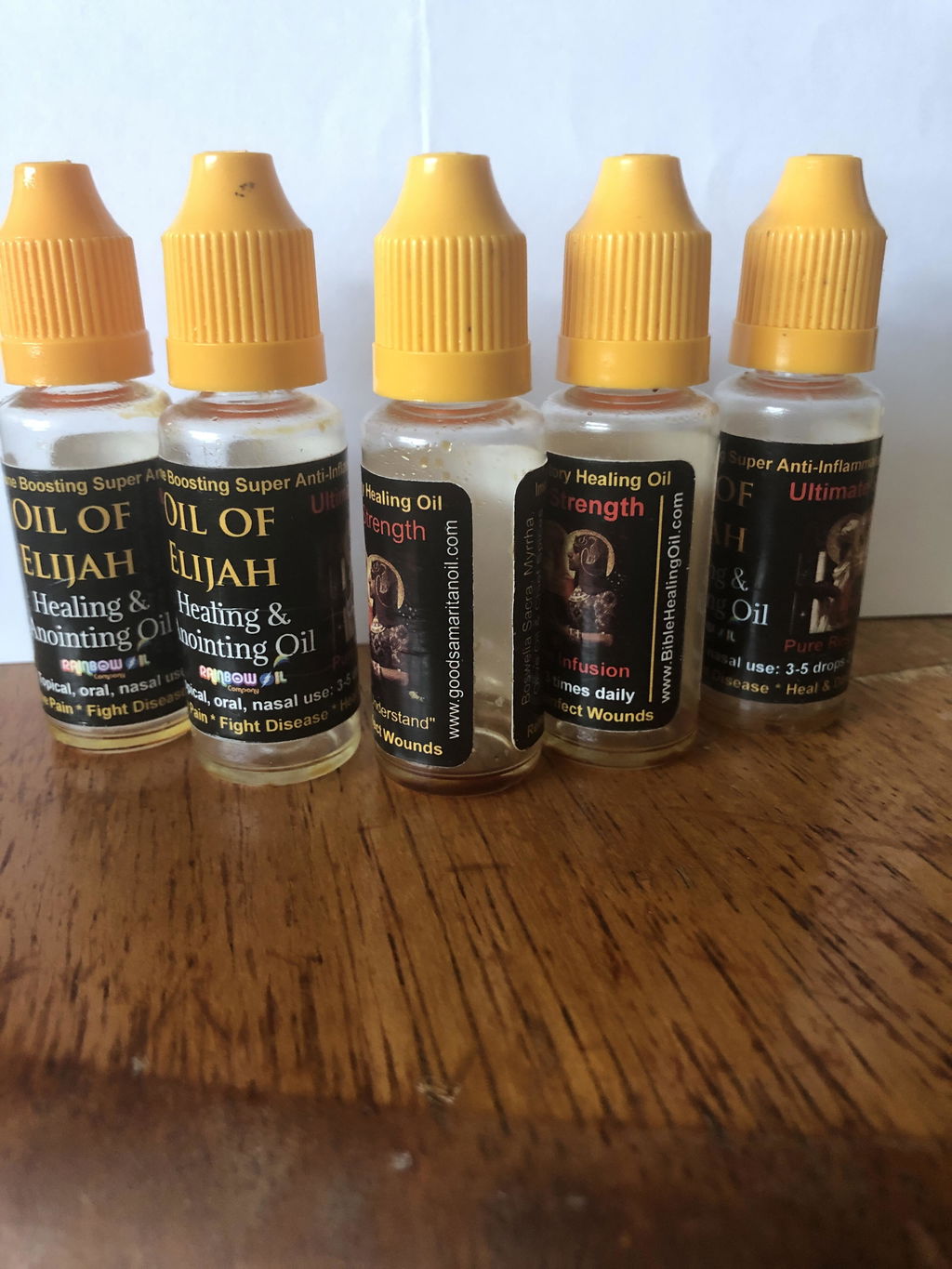
Aching joints and nerve discomfort can turn even the simplest daily tasks — climbing stairs, opening a jar, sitting through a meal — into something that requires real effort. For many people looking for relief beyond the medicine cabinet, natural and faith-based traditions offer a different starting point, one rooted in practices that go back thousands of years.
Scripture repeatedly references oil as both a physical remedy and a spiritual act of care. This article looks at what the Bible says about oil and healing, how those traditions inform natural approaches to joint and nerve discomfort today, and practical ways people incorporate them into daily life. For those interested in exploring the biblical tradition further, Bible Healing Oil offers additional resources on anointing oils and their role in Scripture.
What the Bible Says About Oil and Physical Discomfort
Oil appears throughout scripture not just as a symbol of blessing, but as a hands-on remedy for physical ailments. In the parable of the Good Samaritan, oil and wine are poured directly onto a wounded traveler's injuries (Luke 10:34) — a detail that reflects how common oil was as first-response care in the ancient world. Isaiah 1:6 references wounds that were "not closed, neither bound up, neither mollified with ointment," treating the absence of oil as a sign of neglect rather than the norm.
In James 5:14, elders are instructed to anoint the sick with oil while praying over them — combining physical care with spiritual support. This dual approach, oil paired with prayer, has carried forward into how many people still approach chronic discomfort today: addressing the body and the spirit together, rather than treating one in isolation.
Why People Turn to Natural Oils for Joint & Nerve Discomfort
Modern research has taken a renewed interest in some of the same botanicals referenced throughout the Bible. Frankincense, myrrh, and other resin-based oils contain natural compounds that have been studied for their anti-inflammatory and soothing properties. While these oils aren't a substitute for medical treatment, many people use them as a complementary, natural layer of support — particularly for the kind of everyday stiffness and discomfort that comes with aging, overuse, or long hours on your feet.
Here's what's commonly used and why:
Frankincense
Frankincense resin has a long history in both biblical and Ayurvedic traditions. It's often used topically, diluted in a carrier oil, and gently massaged into areas of stiffness or tension.
Myrrh
Frequently paired with frankincense, myrrh has similarly been valued for its calming, soothing qualities when applied to sore or tense areas of the body.
Wintergreen and Peppermint
These oils bring a cooling, tingling sensation that many people find genuinely comforting on tired joints and muscles — often used in massage blends for that reason.
Eucalyptus
Known primarily for respiratory support, eucalyptus is also used in muscle and joint blends for its warming, invigorating effect during massage.
How Biblical Anointing Traditions Apply to Modern Pain Relief
The anointing practice described in James 5:14 wasn't only about spiritual symbolism — it reflected a broader cultural understanding that physical touch, oil, and prayer worked together in the care of the body. Many people today draw on that same combination: applying oil to a sore joint while taking a moment to pray or simply sit quietly, treating the practice as both a physical and emotional reset.
If you're interested in how these anointing traditions developed historically, this look at the tradition of Bible healing oils traces the ingredients and practices scripture references, and how they've been carried into modern use.
For those specifically looking for a ready-made blend built around these traditional ingredients, our Kure-it Bible anointing oil collection combines frankincense, myrrh, and other biblically-referenced oils formulated for topical use.
Practical Ways to Support Joint & Nerve Discomfort Naturally
Beyond oil application, a few gentle daily habits tend to make a meaningful difference for people managing ongoing discomfort:
Warm compresses before applying oil — heat helps relax the area first, allowing the oil to absorb more comfortably.
Gentle massage, not deep pressure — especially around nerve-sensitive areas, a light circular motion is usually more effective and comfortable than firm pressure.
Consistent, gentle movement — short walks or light stretching help keep joints from stiffening further, even on days when discomfort is present.
Prayer or quiet reflection during application — many people find that pairing the physical act of applying oil with a moment of prayer, as described in James 5:14, adds a sense of calm to the routine itself.
Staying hydrated — dehydration can make joint stiffness feel more pronounced, so consistent water intake supports overall comfort.
A Note on Realistic Expectations
Natural oils and traditional remedies can offer real comfort and support as part of a daily routine, but they aren't a replacement for medical care — especially for chronic, worsening, or severe joint and nerve conditions. If discomfort is persistent, affects mobility significantly, or comes with swelling, numbness, or sudden onset, it's important to consult a physician rather than relying on natural remedies alone.
Bible healing Oil
Phone: 321-537-9430
Address: Rockledge, Florida 32955
Email: info@biblehealingoil.com
FAQs
Can anointing oil actually help with joint pain?
Anointing oil, especially blends with frankincense and myrrh, is often used topically to support comfort in sore or stiff joints. It's best viewed as a complementary practice alongside — not a replacement for — medical care.
What does the Bible say about healing joint or nerve pain specifically?
Scripture doesn't reference joint or nerve pain by modern medical terms, but it does reference oil being used for wounds, sickness, and physical relief throughout both the Old and New Testaments, most directly in James 5:14 and Luke 10:34.
How often should I apply oil for joint discomfort?
Many people apply diluted oil blends once or twice daily, particularly in the morning after stiffness sets in or in the evening as part of a wind-down routine. Always patch-test a new oil first.
Is frankincense oil safe to use every day?
When properly diluted in a carrier oil, frankincense is generally well tolerated for daily topical use by most people. Those with sensitive skin, pregnant or nursing individuals, or anyone on medication should check with a physician first.
What's the difference between nerve discomfort and joint discomfort when it comes to natural remedies?
Joint discomfort is usually centered around stiffness or soreness in the joint itself, while nerve discomfort often involves tingling, burning, or radiating sensations. Gentle, light-pressure application is generally recommended near nerve-sensitive areas, whereas joints can typically tolerate slightly firmer massage.
Conclusion
Long before modern pain relief options existed, people turned to oil, touch, and prayer to care for aching bodies — a tradition scripture references again and again. While frankincense, myrrh, and other biblical oils aren't a cure for joint or nerve conditions, they offer a natural, time-tested way to support comfort as part of a daily routine. Paired with gentle movement, hydration, and — when needed — guidance from a physician, these ancient practices continue to offer real, grounded support for the everyday discomfort so many people quietly manage.