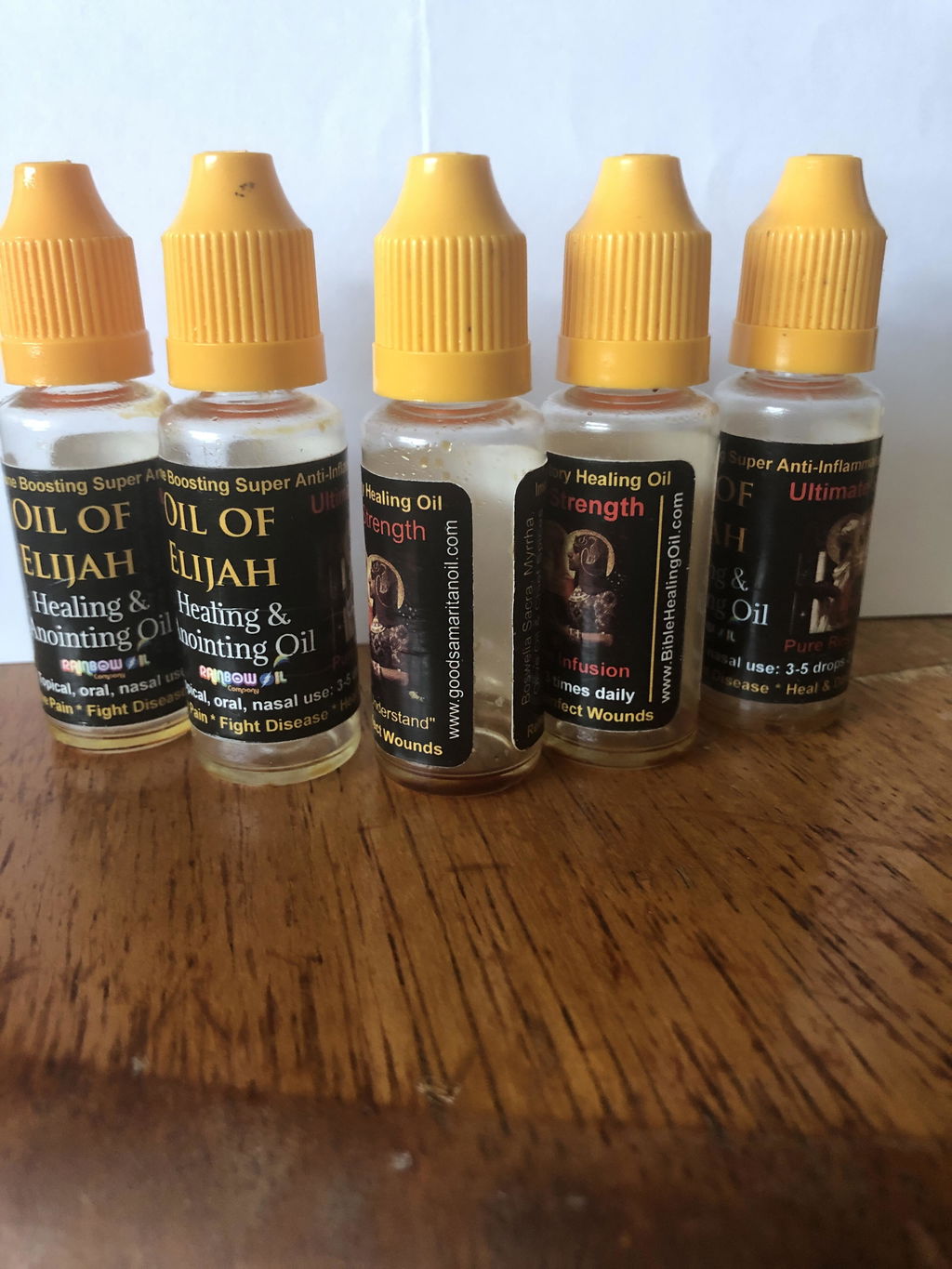
The concept of restoration and wellness is woven throughout the fabric of Holy Scripture, often accompanied by the use of healing oils of the bible. From the ancient ceremonies of the Israelites to the miracle-filled ministries of the apostles, bible healing oil has served as a powerful testament to God’s desire for wholeness in His people.
By exploring the history, application, and spiritual significance of these substances, we gain a clearer vision of how faith and physical elements work in harmony.
What Is Healing Oil in the Bible?
In the scriptural context, biblical healing oils are more than just cosmetic or medicinal substances; they are instruments of divine grace. Historically, the base for these mixtures was almost always olive oil for anointing, prized for its purity and its ability to carry the fragrance of added resins and herbs.
When we speak of oil for healing, we are referring to a substance that has been dedicated through prayer to serve as a conduit for God’s power. Whether used for physical ailments or spiritual burdens, biblical anointing oil represents the soothing, sealing, and strengthening work of the Creator.
Healing Oil in the Old Testament
The Old Testament provides the foundational blueprints for holy anointing oil ingredients. In Exodus, God provided Moses with a precise list of components to create a "most holy" blend. These holy anointing oil ingredients included liquid myrrh, sweet cinnamon, fragrant cane, and cassia.
Each of these natural healing oils carried specific properties:
- Myrrh: Known for its antiseptic and skin-soothing qualities, it represented suffering and purification.
- Cinnamon: A warming element used to stimulate the senses and circulation.
- Spikenard: promotes deep relaxation, emotional balance, and skin health. It is great for reducing stress and inflammation.
- Olive Oil: The carrier that bonded these elements together, symbolizing the Holy Spirit.
During this era, anointing with oil was a requirement for the priesthood and the sanctification of the Tabernacle. It ensured that everything used in the service of God was cleansed and prepared for His presence.
Healing Oil in the Ministry of Jesus
While Jesus often healed through a word or a touch, He also empowered His disciples to use physical means. In the Gospel of Mark, we see the disciples going out, preaching repentance, and "they cast out many demons and anointed with oil many who were sick and healed them" (Mark 6:13).
In this context, the anointed oil served as a bridge between the physical world and the authority of the Kingdom of God. Jesus, the "Anointed One," demonstrated that the purpose of anointing oil was to bring the light of God into the dark places of illness and despair.
The Use of Oil for Healing in the Early Church
The early church solidified the practice of anointing oil prayer as a standard part of community life. The most famous directive comes from James 5:14-15: "Is anyone among you sick? Let them call the elders of the church to pray over them and anoint them with oil in the name of the Lord."
This Christian anointing oil practice was a communal act of faith. It wasn't done in isolation but within the body of believers. The use of biblical anointing with oil in the early church was a beautiful display of obedience to the Word and a reliance on the Great Physician.
Deepen Your Devotional Practice: If you are looking to bring this scriptural tradition into your home or ministry, you can find authentic anointing oil for sale, crafted with biblical integrity. [Click Here to Order Your Bible Healing Oil]
The Spiritual Meaning of Healing Oil
The healing oil in the Bible carries deep layers of symbolism. Oil penetrates; it softens; it shines. Spiritually, it represents the Holy Spirit’s ability to penetrate the heart, soften the spirit, and reflect the glory of God.
- Consecration: Marking a person as belonging to God.
- Protection: In ancient times, shepherds used oil on their sheep to prevent insects and infections; similarly, anointing oil for home use symbolizes God’s protective hand over a household.
- Joy: Scripture speaks of the "oil of joy" replacing the spirit of mourning.
Healing Oil and the Power of Prayer
It is ito understand that anointing oil for prayer is an accompaniment to faith, not a replacement for it. The power lies in the God who hears the prayer, while the bible anointing oil serves as a physical point of contact. This tactile experience helps the believer focus their faith and expect a divine move. When we combine natural healing oils with sincere petition, we are following a model that has brought comfort to millions for millennia.
Shop Now - Oil of Elijah Ultimate Strength Bible Healing Anointing Oil
Is Healing Oil Symbolic or Literal?
The answer is both. Healing natural oils like frankincense or myrrh have documented healing oils for skin and aromatic benefits that support a sense of peace. However, the biblical anointing oil used in a church or home setting is also deeply symbolic.
It is literal in its application but symbolic in its reach. The physical application of anointing oil reminds the recipient that God cares for their body as much as their soul. It is a holistic approach to wellness that honors the entire human experience.
Healing Oil in Christian Practice Today
Many believers today continue the tradition of keeping anointing oil nearby for times of need. Whether it is used in a formal church service or as anointing oil for the home during personal devotions, the practice remains vibrant.
Modern Christian anointing oil is often used for:
- Praying for physical or emotional healing.
- Dedication of a new home or workspace.
- Seeking clarity and guidance during a fast or intense season of prayer.
- Blessing children and family members.
Conclusion
The study of healing oil in the bible invites us into a deeper walk with the Lord. It teaches us that God uses the simple, natural elements of the earth—like olive oil for anointing—to perform extraordinary things. By understanding the purpose of anointing oil and the rich history of healing natural oils, we can approach our prayer lives with renewed confidence and expectancy.
Shop Now - Kure It Rx9 Ultra | Advanced Immune Support Oil – Bible Healing Oil
As you seek the Lord's presence and healing touch, let the tradition of the anointing oil be a reminder that you are seen, you are loved, and you are set apart for His good work.
Invite the peace and healing of the Word into your life today. [Experience the Blessing, Shop Our Bible Healing Oil Collection Now]
FAQs
What does the Bible say about using oil for healing?
The Bible encourages the use of oil as a sign of faith and a means of commissioning the sick to God’s care, most notably in the Book of James and the Gospel of Mark.
Is healing oil the same as anointing oil in Scripture?
Yes, they are often the same. While some oil was specifically for the Tabernacle, the general term for anointed oil applies to any oil set apart for a sacred or medicinal purpose in God's name.
Does healing come from the oil or from God?
Healing comes solely from God. The bible healing oil is a symbol and a tool of obedience that helps facilitate the prayer of faith.
Should Christians still use healing oil today?
Many Christians find it to be a meaningful and scriptural practice that enriches their spiritual life and provides comfort during times of illness.
Can anyone use healing oil, or only church leaders?
While James mentions calling the elders, many traditions believe that any believer, acting as part of the "royal priesthood," can use anointing oil for prayer in their personal lives and homes.