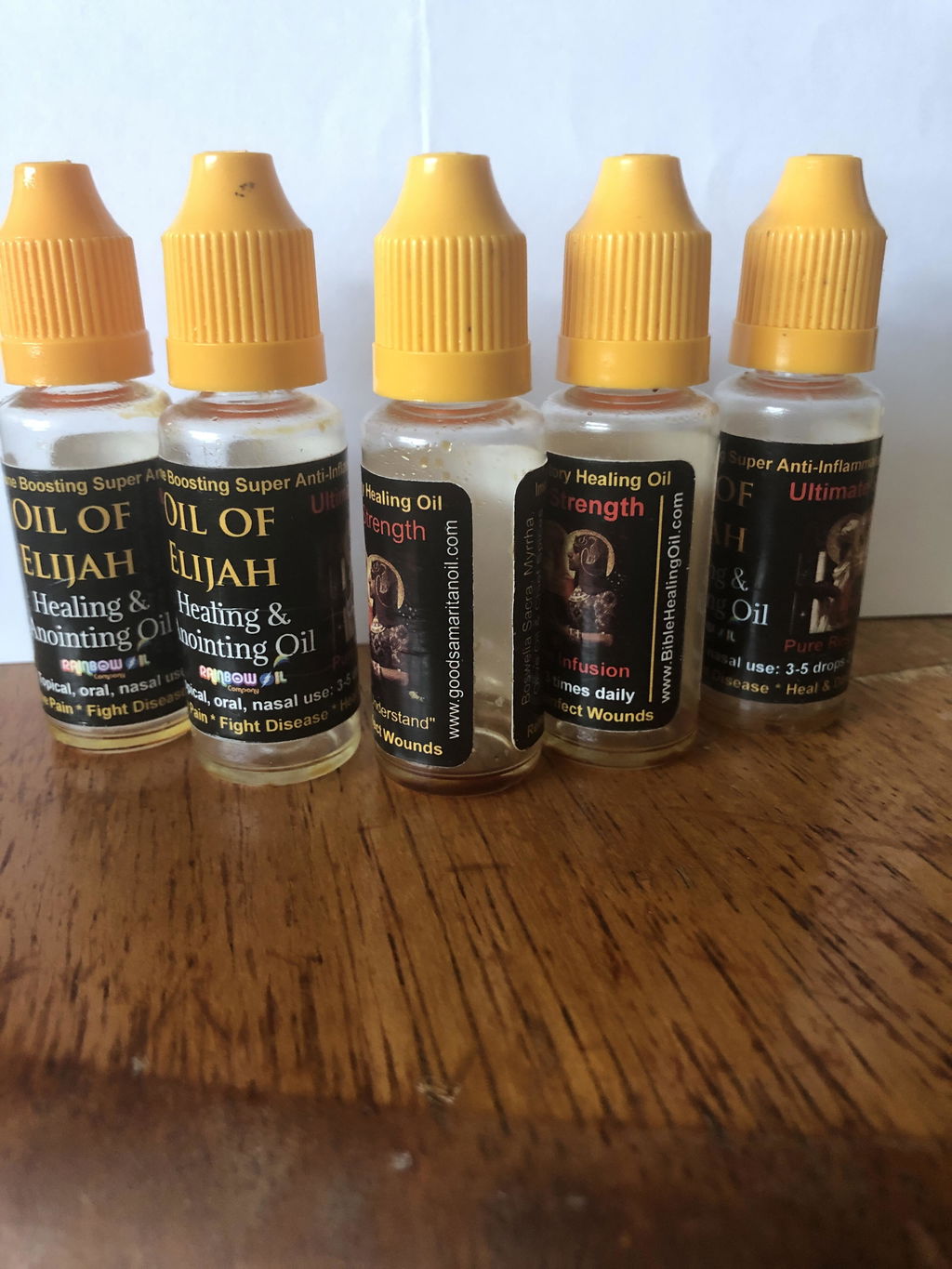
The use of anointing oil is a sacred tradition that has bridged the gap between the physical and spiritual realms for thousands of years. In the Christian faith, it serves as a powerful symbol of God’s blessing, presence, and empowering grace. While the oil itself is a natural substance, the act of anointing with oil represents a deep spiritual commitment and a reliance on the divine.
By exploring the scriptural roots and modern applications of this practice, believers can better understand how this ancient ritual continues to bring comfort and strength to the modern church.
What Is Anointing Oil in Christian Faith?
In the context of the Christian walk, anointing oil is a liquid, traditionally olive oil for anointing, that has been set apart and sanctified for religious purposes. It is not viewed as a charm or a magical potion, but rather as a physical "point of contact" for faith. When a believer uses Christian anointing oil, they are participating in a visible act that mirrors an invisible spiritual reality: the setting a part of a person or object for the service of God.
The word "anoint" carries the idea of rubbing or pouring, but its spiritual weight is far greater. It signifies favor, protection, and the equipping of an individual by God. Whether used in a grand cathedral or for a quiet anointing oil for home dedication, the essence remains the same: it is an invitation for the Holy Spirit to move.
Shop Now - Kure It Rx9 Ultra | Advanced Immune Support Oil – Bible Healing Oil
Biblical Origins of Anointing Oil
The history of biblical anointing oil begins in the Old Testament, where God provided specific instructions to Moses regarding its preparation. The holy anointing oil ingredients were precise, including liquid myrrh, sweet cinnamon, fragrant cane, and cassia, all blended with pure olive oil. This mixture was considered "most holy," and its primary purpose of anointing oil was to sanctify the Tabernacle and its priests.
Through biblical anointing with oil, individuals were inaugurated into sacred offices. Aaron was anointed as High Priest, and later, kings like David and Solomon were anointed to signify their divine appointment to lead. These accounts establish that the oil was a sign of God’s choosing and His empowerment for a specific task.
Powerful Oil Blends for Spiritual Growth and Wellness
Beyond the primary ingredients found in Exodus, several other natural healing oils are mentioned throughout Scripture, each carrying unique properties and spiritual symbolism. Using these in specific blends can enhance the experience of anointing oil prayer.
The Consecration Blend
This blend focuses on purity and focus. By combining Frankincense and Myrrh in a base of olive oil for anointing, believers create a fragrance that historically mirrors the incense of the Temple. Frankincense represents the prayers of the saints, while Myrrh signifies the sacrifice of the heart.
The Spirit of Peace Blend
For those using anointing oil for home use, a blend of Spikenard and Cypress is highly valued. Spikenard was the costly oil used to anoint Jesus' feet, symbolizing extravagant devotion. Cypress is often associated with strength and mourning, providing a grounded sense of peace during difficult transitions.
The Joy and Strength Blend
Cedarwood and Hyssop are excellent additions to bible anointing oil. Hyssop was used in biblical times for purification and cleansing (Psalm 51:7), while Cedarwood represents majesty and stability. Together, they promote a spirit of renewal and inner strength.
Shop Now - Oil of Elijah Ultimate Strength Bible Healing Anointing Oil
Anointing Oil as a Symbol of the Holy Spirit
One of the most profound aspects of anointing oil is its representation of the Holy Spirit. Just as oil provides light in a lamp and healing to a wound, the Holy Spirit provides spiritual illumination and internal restoration. In the New Testament, the "anointing" is often spoken of as the indwelling presence of God that teaches and guides the believer.
When we use bible anointing oil, we are visually reminded of the "unction" or the spiritual enablement provided by God. It signifies that the believer is not walking in their own strength but is fueled by the divine energy of the Spirit. This symbolism is central to the anointing oil prayer, where the physical act of anointing helps the heart align with the truth of God's ever-present help.
Deepen Your Connection to the Word: Incorporating this biblical tradition into your personal devotion can be a transformative experience. If you are looking for authentic blends, you can find anointing oil for sale that honors the purity of these ancient scriptures. [Discover Your Bible Healing Oil Here]
Spiritual Purposes of Anointing Oil
The purpose of anointing oil is multifaceted, touching nearly every area of the spiritual life.
- Consecration: To dedicate a person, a room, or an object entirely to God's work.
- Protection: To claim God's peace and safety over a family or a household.
- Empowerment: To seek a fresh "filling" of the Spirit for a new season or ministry.
- Sanctification: To recognize that we are a "chosen generation" called out from the world.
Anointing Oil in Prayer, Healing, and Consecration
James 5:14 provides a clear directive for the church: "If anyone is sick? Let them call the elders of the church to pray over them and anoint them with oil in the name of the Lord." This established the role of anointing oil for prayer as a standard practice for seeking physical and emotional restoration.
In the act of anointing with oil, the elder or believer is acting in obedience to the Word. The oil acts as a soothing agent and a seal of the prayer being offered. Furthermore, using anointing oil for home consecration has become a cherished practice for many families, who use the oil to pray over their doorposts, inviting the peace of Christ to rule in every room.
Anointing Oil in Christian Practice Today
Many modern believers keep anointing oil nearby as a regular part of their spiritual toolkit. Whether it is a small vial of anointing oil ingredients kept in a purse for emergencies or a bottle used during a Sunday service, the tradition remains a vibrant part of Christian anointing oil use.
Today, it is common to see oil used for:
-
Healing Services: Following the instructions in the Book of James.
-
Ordination: Commissioning pastors, deacons, and leaders.
-
Personal Devotion: During times of fasting or seeking specific direction from God.
Conclusion
The spiritual journey is one of both heart and action. Anointing oil serves as a bridge between the two, offering a physical way to express a spiritual yearning. From its origins as a holy anointing oil in the wilderness to its use in modern homes, it remains a steadfast symbol of God's desire to heal, protect, and empower His children.
As you seek to grow in your walk with Christ, the use of bible anointing oil can be a wonderful addition to your prayer life. It serves as a constant reminder that you are covered by His grace and marked by His Spirit for a divine purpose.
Bring the ancient blessing of the Word into your daily life. Whether you are praying for a breakthrough or dedicating your home to the Lord, we are here to support your journey with high-quality, biblically-inspired oils. [Shop Our Premium Collection of Bible Healing Oil Today]
FAQs
What is the spiritual meaning of anointing oil?
It represents the favor, presence, and empowering work of the Holy Spirit. It is a symbol of being set apart for God's holy purposes.
Is anointing oil required for prayer to be effective?
Prayer is effective because of faith in God’s Word. However, anointing with oil is a scriptural act of obedience that can strengthen faith.
What Bible verses talk about anointing oil
Key passages include Exodus 30 (the holy anointing oil ingredients), Psalm 23 (God anointing our heads), and James 5:14 (anointing the sick).
Who can use anointing oil in the Christian faith?
While elders often lead in formal settings, many believe that all Christians can use anointing oil for prayer in their personal lives and families.