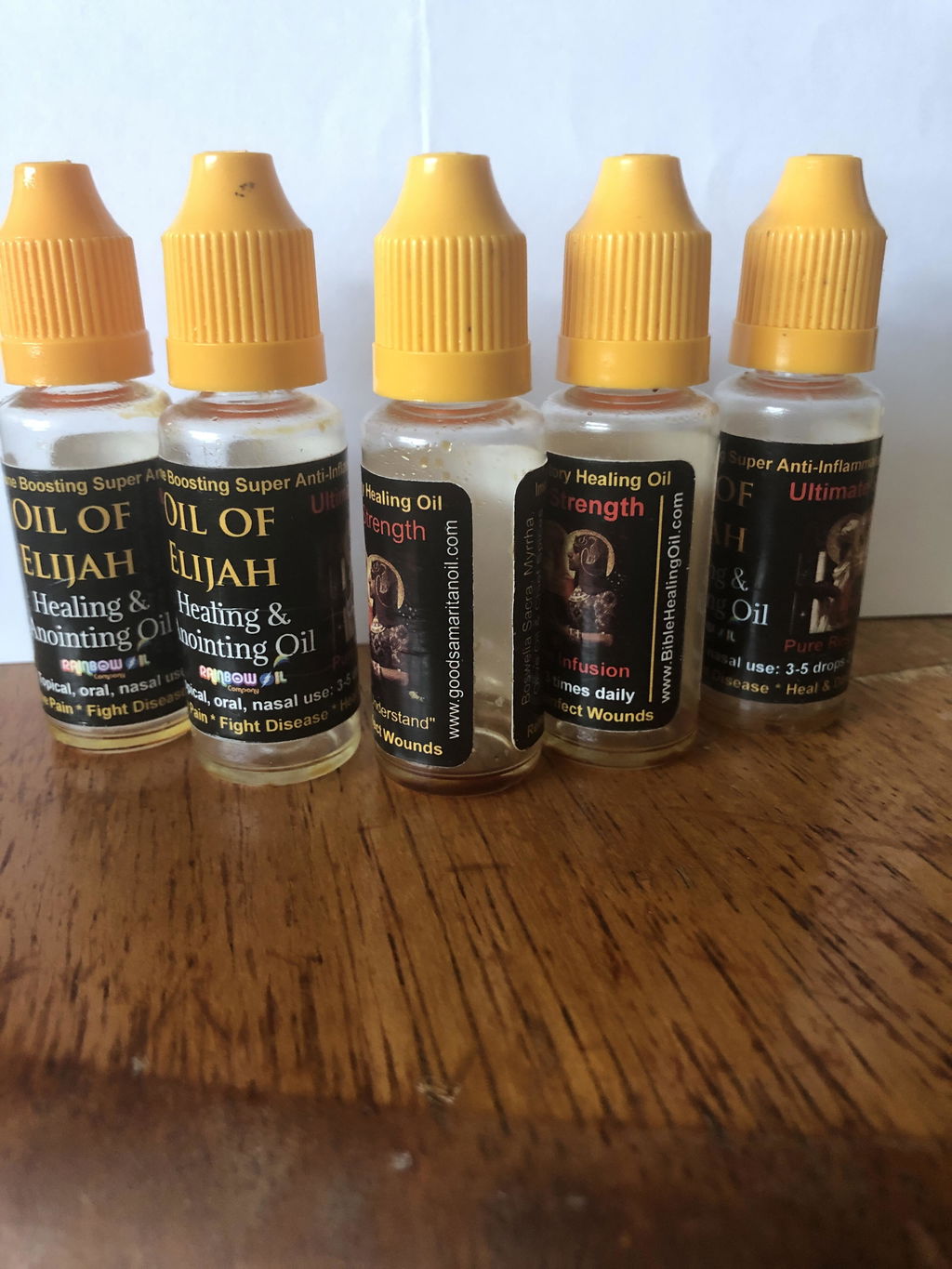
Long before modern medicine, oil held a sacred place in the practice of faith and healing. Throughout scripture, oil appears again and again — poured over wounds, used to consecrate priests and kings, and applied in prayer over the sick. For believers today, these healing scriptures aren't just historical footnotes. They're a living reminder of a tradition that connects faith, prayer, and physical care.
Whether you're studying anointing for personal devotion, preparing a sermon, or simply looking for verses to hold onto during a hard season, this guide walks through 20 of the most meaningful Bible verses on oil, anointing, and divine healing. If you're looking to deepen your understanding of the biblical significance of anointing, explore the resources available at Bible Healing Oil for faith-based insights and anointing oils inspired by Scripture. Each verse below is accompanied by context to help you better understand its meaning and relevance today.
The Biblical Meaning of Oil and Anointing
In the Old and New Testaments, oil (typically olive oil, sometimes infused with spices like frankincense and myrrh) carried layered meaning. It was:
A symbol of the Holy Spirit's presence and blessing, used to anoint prophets, priests, and kings
A practical remedy, applied to wounds and sores as part of everyday first aid
An act of hospitality and honor, offered to guests as a sign of welcome
A component of consecrated worship, set apart for sacred use in the tabernacle and temple
Understanding this layered meaning helps explain why "anointing with oil" shows up so often in prayers for healing — it's a physical act carrying spiritual weight.
20 Healing Scriptures on Oil and Anointing
1. James 5:14
"Is any sick among you? let him call for the elders of the church; and let them pray over him, anointing him with oil in the name of the Lord." This is the cornerstone verse for anointing oil in Christian healing prayer, directly instructing elders to pray and anoint the sick.
2. James 5:15
"And the prayer of faith shall save the sick, and the Lord shall raise him up; and if he have committed sins, they shall be forgiven him." Faith and forgiveness are tied to the healing process, framing anointing as part of a larger spiritual restoration.
3. Mark 6:13
"And they cast out many devils, and anointed with oil many that were sick, and healed them." The disciples themselves practiced anointing as part of their healing ministry, showing it was an established method in the early church.
4. Luke 10:34 (The Good Samaritan)
"And went to him, and bound up his wounds, pouring in oil and wine, and set him on his own beast, and brought him to an inn, and took care of him." Oil and wine were used as practical wound care in this parable, blending compassion with tangible healing action.
5. Psalm 23:5
"Thou preparest a table before me in the presence of mine enemies: thou anointest my head with oil; my cup runneth over." Anointing here symbolizes God's provision, protection, and abundance even amid hardship.
6. Isaiah 1:6
"From the sole of the foot even unto the head there is no soundness in it; but wounds, and bruises, and putrifying sores: they have not been closed, neither bound up, neither mollified with ointment." This verse reflects the ancient understanding that oil and ointment were essential to properly treating wounds.
7. Psalm 133:2
"It is like the precious ointment upon the head, that ran down upon the beard, even Aaron's beard: that went down to the skirts of his garments." Anointing oil is described as an overflow of blessing, associated with unity and consecration.
8. Exodus 30:25
"And thou shalt make it an oil of holy ointment, an ointment compound after the art of the apothecary: it shall be an holy anointing oil." God gives specific instructions for a sacred anointing oil blend, establishing its role in formal worship.
9. Leviticus 14:18
"And the remnant of the oil that is in the priest's hand he shall pour upon the head of him that is to be cleansed: and the priest shall make an atonement for him before the Lord." Oil is tied directly to ritual cleansing and atonement in the Levitical purification process.
10. 1 Samuel 16:13
"Then Samuel took the horn of oil, and anointed him in the midst of his brethren: and the Spirit of the Lord came upon David from that day forward." David's anointing marks the moment the Spirit's power visibly rests upon him, linking oil with spiritual empowerment.
11. Isaiah 61:1
"The Spirit of the Lord God is upon me; because the Lord hath anointed me to preach good tidings unto the meek; he hath sent me to bind up the brokenhearted." Anointing is connected here to a calling of restoration — for both emotional and physical brokenness.
12. Luke 4:18
"The Spirit of the Lord is upon me, because he hath anointed me to preach the gospel to the poor; he hath sent me to heal the brokenhearted, to preach deliverance to the captives, and recovering of sight to the blind." Jesus applies Isaiah's prophecy to Himself, framing His entire ministry around anointed healing and restoration.
13. Psalm 45:7
"Thou lovest righteousness, and hatest wickedness: therefore God, thy God, hath anointed thee with the oil of gladness above thy fellows." Known as the "oil of gladness," this verse ties anointing to joy as much as healing.
14. Hebrews 1:9
"Thou hast loved righteousness, and hated iniquity; therefore God, even thy God, hath anointed thee with the oil of gladness above thy fellows." This New Testament echo of Psalm 45 applies the "oil of gladness" imagery to Christ.
15. Exodus 29:7
"Then shalt thou take the anointing oil, and pour it upon his head, and anoint him." Aaron's consecration as high priest begins with anointing, establishing oil's role in setting someone apart for holy service.
16. 2 Corinthians 1:21
"Now he which stablisheth us with you in Christ, and hath anointed us, is God." Anointing is described as something God does for all believers, not only priests and kings.
17. 1 John 2:20
"But ye have an unction from the Holy One, and ye know all things." The word "unction" refers to anointing, describing the Holy Spirit's presence in the believer as a form of spiritual insight and covering.
18. Psalm 92:10
"But my horn shalt thou exalt like the horn of an unicorn: I shall be anointed with fresh oil." "Fresh oil" is used as an image of renewed strength and vitality granted by God.
19. Ecclesiastes 9:8
"Let thy garments be always white; and let thy head lack no ointment." Oil is presented as part of a life lived in continual readiness and blessing, not reserved only for crisis moments.
20. Jeremiah 8:22
"Is there no balm in Gilead; is there no physician there? why then is not the health of the daughter of my people recovered?" This verse points to "the balm of Gilead," a well-known healing oil of the ancient world, used here as a metaphor for spiritual and physical restoration.
How Believers Apply These Healing Scriptures Today
Many Christians continue the practice described in James 5:14, using anointing oil during prayer for the sick, in personal devotion, or in ministry settings. The oil itself isn't treated as magic — scripture is clear that it's the prayer of faith, offered in God's name, that carries the weight. The oil serves as a physical, tangible expression of that prayer, much like it did for the disciples in Mark 6:13 and the priests of the Old Testament.
For those interested in the deeper history behind biblical anointing practices — including the specific ingredients scripture associates with sacred oils — this overview of the tradition of Bible healing oils traces how these ancient recipes have carried forward into modern use.\
Bible healing Oil
Phone: 321-537-9430
Address: Rockledge, Florida 32955
Email: info@biblehealingoil.com
FAQs
Is anointing oil mentioned in the Bible for physical healing?
Yes. James 5:14 specifically instructs elders to anoint the sick with oil while praying over them, and Mark 6:13 records the disciples doing the same during their ministry.
What kind of oil was used for anointing in the Bible?
Most biblical anointing oil was olive oil, sometimes infused with spices such as myrrh, cinnamon, and calamus, as described in Exodus 30:22–25.
What does "oil of gladness" mean in scripture?
It's a phrase from Psalm 45:7 and Hebrews 1:9 symbolizing joy and divine favor bestowed upon someone, distinct from oil used strictly for physical wounds.
Can anyone anoint someone with oil for prayer, or only clergy?
James 5:14 specifically references church elders, though many denominations and traditions vary in how broadly they apply this practice today. It's worth discussing with your own faith community or pastor.
Is there scientific evidence that anointing oil heals illness?
Anointing with oil is a faith practice rooted in scripture and prayer, not a medical treatment. If you're dealing with illness or injury, these verses can offer spiritual comfort and encouragement, but they aren't a substitute for consulting a licensed physician.
Conclusion
From the Good Samaritan pouring oil into a stranger's wounds to James instructing the church to anoint the sick in prayer, these healing scriptures tell a consistent story: oil has long served as a bridge between the physical and spiritual, a visible sign of an invisible faith. Reading through these 20 verses offers not just historical insight, but a framework many still turn to today — combining prayer, community, and this ancient symbol of God's care.
Disclaimer: This article is for spiritual and educational purposes only and reflects biblical and historical context around anointing oil. It is not medical advice. These statements have not been evaluated by the Food and Drug Administration. If you are experiencing illness, injury, or a medical condition, please consult a licensed physician.